

Let’s be real for a second. You’ve probably spent hours—maybe years—securing your crypto. You’ve got your hardware wallets locked up, your seed phrases hidden like treasure maps, and your two-factor authentication dialed in. But here’s the uncomfortable question nobody wants to ask: What happens to all of it when you’re gone?
It’s a weird thought, I know. But honestly, crypto inheritance is one of those topics that people avoid until it’s too late. And in the world of digital assets, “too late” usually means lost forever. No do-overs. No bank to call. Just a cold, empty blockchain wallet.
Why Your Crypto Won’t Just “Pass Down” Naturally
Here’s the deal: traditional estate planning is built for physical stuff—houses, cars, bank accounts. Those things have paper trails, lawyers, and probate courts. Crypto? It’s a different beast entirely.
If you die without leaving clear instructions, your Bitcoin, Ethereum, or NFTs might as well be buried on a desert island. No one can access them without your private keys. And no, the blockchain doesn’t have a “next of kin” button. That’s not how it works.
Think of it like this: you’ve built a digital fortress. The keys are in your pocket. If you fall, the fortress stays locked—forever. Unless, of course, you plan ahead.
The Real Pain Points of Digital Asset Estate Planning
So what actually goes wrong? A lot, honestly. Let’s break down the most common headaches people face:
- Lost seed phrases – You think you’ll remember where you put that paper. You won’t. Or maybe your family finds it, but they can’t figure out the order of the words.
- No legal clarity – Who owns the crypto in a joint wallet? Is it marital property? Does your state even recognize it as an asset? Good luck sorting that out in probate.
- Exchange lockouts – If your crypto is on an exchange like Coinbase or Binance, your heirs might need a court order just to get access. And exchanges aren’t exactly known for their speedy customer service.
- Tax nightmares – Your beneficiaries could inherit a tax liability they didn’t see coming. Especially if the value has skyrocketed since you bought it.
It’s messy. And it’s only getting messier as more people dive into DeFi, staking, and NFTs. You know, the stuff that doesn’t fit neatly into a will.
First Steps: What You Need to Do Right Now
Alright, let’s get practical. You don’t need to be a lawyer or a blockchain wizard to start planning. Here’s what you can do today—seriously, today.
1. Inventory Everything
Make a list. Not in your head—on paper, or in a password manager. Write down every wallet, every exchange account, every NFT collection, every staking pool. Include the approximate value and the type of asset. This sounds simple, but you’d be surprised how many people forget about that old wallet with 0.5 ETH from 2017.
2. Decide on a “Key Inheritance” Strategy
You have a few options here. The most common?
Option A: Leave a physical copy of your seed phrase in a safe deposit box. But make sure your executor knows where it is and how to use it.
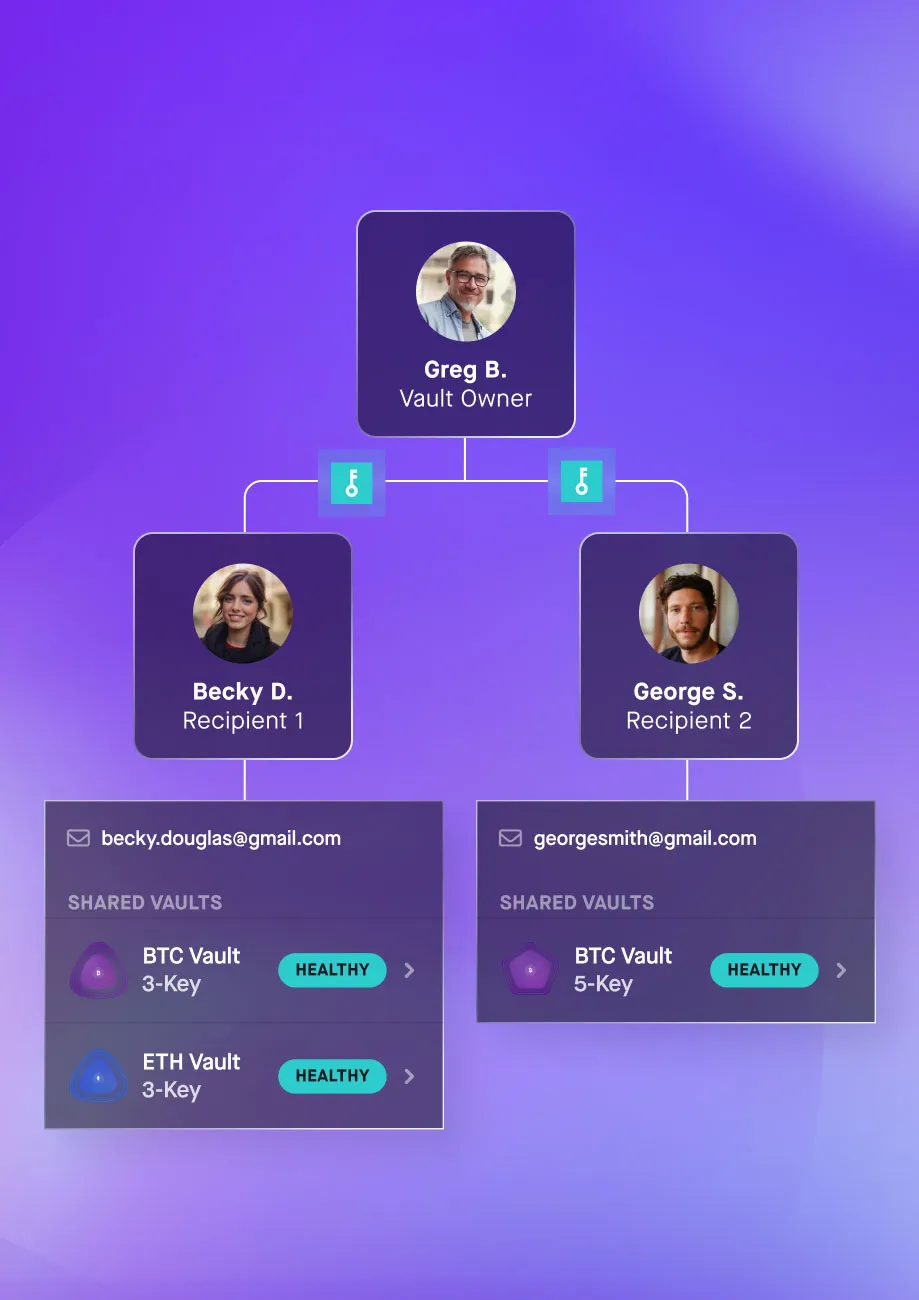
Option B: Use a multi-signature wallet. That way, your heir gets one key, and a trusted third party (like a lawyer) holds another. Two keys needed to unlock the funds.
Option C: Use a crypto-specific inheritance service. There are platforms now that let you set up a “dead man’s switch” or time-locked transfers. Just be careful—some are sketchy.
3. Talk to a Lawyer (Yes, Really)
I know, lawyers are expensive. But a good estate attorney who understands crypto is worth their weight in Bitcoin. They can help you draft a will that specifically mentions digital assets. And they’ll know how to handle things like “what if my heir doesn’t know what a seed phrase is?”
Honestly, this step alone can save your family months of frustration. Don’t skip it.
What About NFTs and DeFi? That’s Trickier
Here’s where it gets really interesting. NFTs aren’t just JPEGs—they’re smart contracts. Some have royalties attached. Some are tied to real-world assets. And DeFi positions? Those can be complex beasts with multiple layers of lending, borrowing, and yield farming.
If you’re deep into DeFi, your estate plan needs to account for things like:
- Liquidation risks if no one manages your positions
- Governance tokens that need to be voted
- Locked staking periods that might expire after your death
It’s a lot. But the core principle stays the same: document everything, and make sure someone you trust knows how to interact with those protocols. Maybe even leave a step-by-step guide. Like, literally, a PDF titled “How to unstake my ETH from Lido.”
Table: Common Crypto Estate Planning Tools
| Tool / Method | Pros | Cons |
|---|---|---|
| Paper seed phrase in safe | Simple, offline, cheap | Can be lost or damaged; no legal backup |
| Multi-signature wallet | Shared control; secure | Requires technical know-how; coordination |
| Estate planning lawyer | Legally binding; covers gray areas | Costly; need crypto-savvy attorney |
| Crypto inheritance service | Automated; user-friendly | Trust issues; some platforms fail |
| Hardware wallet with backup | Portable; high security | Device can break; backup needed |
Notice a pattern? No single method is perfect. Most people end up combining two or three. That’s smart. Redundancy is your friend here.
Taxes, Probate, and Other Boring (But Crucial) Stuff
Let’s talk about the elephant in the room: taxes. In the U.S., crypto is treated as property. That means your heirs might owe capital gains tax on inherited crypto—depending on when it was bought and how much it appreciated. Some states have inheritance taxes too. It’s a mess.
But here’s a pro tip: if you set up a trust specifically for digital assets, you can sometimes bypass probate entirely. That saves time, money, and a whole lot of headaches. Talk to your lawyer about a “digital asset trust.” It’s not as sci-fi as it sounds.
Also—and I can’t stress this enough—make sure your beneficiaries actually know what crypto is. I’ve heard horror stories of people leaving a USB drive with a seed phrase to their grandmother. She threw it away thinking it was junk. Don’t be that person.
The Human Side of Crypto Inheritance
Look, I get it. Talking about death is uncomfortable. And crypto feels like this infinite, immortal thing—like it’ll just keep running forever. But you won’t. None of us will.
So here’s my honest take: don’t let your digital wealth become a digital ghost. Plan for it like you’d plan for anything else you care about. It’s not about being morbid. It’s about being responsible—to yourself and to the people you leave behind.
Start small. Write down one wallet address today. Tell one person where your seed phrase is. That’s it. That’s a start.
Because in the end, crypto inheritance isn’t really about the coins. It’s about making sure your story—and your legacy—doesn’t get lost in the digital void.
And honestly? That’s worth planning for.