

Let’s be honest. Marketing a single, standalone product is tough enough. But when your product is designed to connect, communicate, and play nice with a whole universe of other tools and platforms—well, that’s a whole different ballgame. You’re not just selling a thing; you’re selling a potential, a connection, a key to a larger system.
That’s the unique challenge—and massive opportunity—of marketing interoperable products in open ecosystems. Your value isn’t locked inside. It multiplies at the edges, where your product meets others. So how do you market that? How do you communicate fluid value in a world still used to rigid boxes?
Shift Your Mindset: From Product to Partnership
First things first. You’ve got to stop thinking like a solo act and start thinking like a band member. The core of your marketing strategy for interoperable products isn’t a list of features; it’s a map of relationships.
This means your messaging moves from “Here’s what we do” to “Here’s what you can do when we connect.” The product is the enabler, but the story is about the user’s expanded capability. It’s the difference between selling a smart lightbulb and selling the ability to have your lights, thermostat, and morning coffee maker orchestrate a perfect sunrise wake-up routine.
Building Your Ecosystem Narrative
Your narrative needs to answer a simple question: “What world does my product help create?”
- Focus on Jobs-to-Be-Done (JTBD). Don’t just list APIs or supported platforms. Talk about the frustrating jobs customers need to get done. “Tired of manually copying data between your CRM and your email platform? Our tool stitches them together so you can focus on selling.”
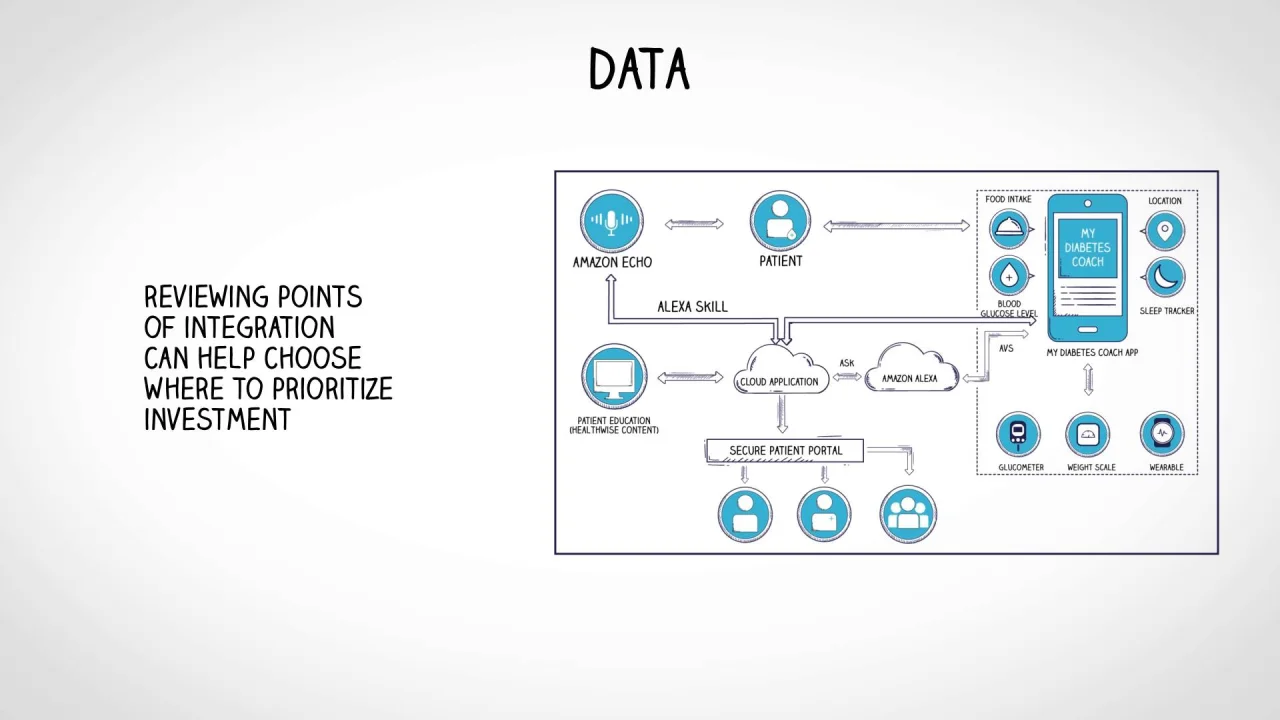
- Show, Don’t Just Tell. This is huge. Create detailed use-case scenarios, video tutorials, and case studies that show your product working seamlessly with other big names in your space. A diagram is worth a thousand words here.
- Leverage Social Proof Within the Ecosystem. Get testimonials from users who love the specific combination of tools. A quote saying, “Using [Your Product] with Slack and Notion has cut our project setup time by 60%” is pure gold.
Practical Plays for Your Marketing Mix
Okay, mindset shifted. Now, what does this look like in action? Here are some concrete, honestly pretty fun, strategies.
1. Co-Marketing & Integration Spotlight
Don’t go it alone. Actively seek out co-marketing opportunities with complementary products in your ecosystem. This could be:
- Joint webinars on solving a common pain point.
- Co-authored blog posts or e-books.
- Bundled offers or referral programs.
This instantly doubles (or triples) your reach and borrows trust from established brands. It signals to the market that you’re a legitimate, valuable player in that space.
2. Create an “Integration Directory” That Sells
Your list of integrations shouldn’t be a boring footer link. Make it a central, searchable, marketing-focused hub. For each integration, show:
| Integration Partner | Key Benefit Unlocked | Ideal For… |
| Slack | Get real-time alerts and take action without leaving your chats. | Teams that need to move fast on data. |
| Google Sheets | Automatically populate live data into your spreadsheets. | Analysts and ops managers. |
| Shopify | Sync customer and order data in both directions. | E-commerce merchants. |
This turns a technical spec into a browseable menu of possibilities.
3. Educate, Educate, Educate
In open ecosystems, a major barrier isn’t desire—it’s comprehension. Users might not even grasp what’s possible. Become their guide.
- Create content like “How to Build a MarTech Stack with [Your Product] at the Core.”
- Offer templates and blueprints for common workflows that involve multiple tools.
- Host “Office Hours” or community forums where users can ask integration questions.
This positions you not just as a vendor, but as an essential architect of their solution. You build authority and trust simultaneously.
The Human Side: Addressing Invisible Friction
Here’s a subtle truth. Sometimes the fear of complexity—of things not working together—holds people back more than price. Your marketing needs to soothe that anxiety.
Use language that conveys ease. Words like “seamless,” “automatic,” “plug-and-play,” and “frictionless.” But back it up. Offer a ridiculously simple, step-by-step setup guide. Have a stellar, knowledgeable support team ready for integration questions. Maybe even offer a free, quick-start consultation to help high-intent users get connected.
You’re selling peace of mind as much as you’re selling functionality.
Measuring What Actually Matters
In this game, vanity metrics fall flat. Forget just tracking website visits. You need to measure the health and leverage of your ecosystem play.
- Integration Adoption Rate: What percentage of active users have turned on at least one integration?
- Activation by Integration: Do users who connect to, say, Salesforce first, have a higher lifetime value?
- Community Growth: Are users sharing their own custom workflows or solutions?
- Reduced Churn: This is the big one. Customers woven into an ecosystem are sticky. Track if users with multiple active integrations churn less.
These metrics tell the real story of your marketing’s success.
Wrapping It Up: The Connective Tissue
At the end of the day, marketing an interoperable product is about highlighting the spaces between things. It’s about selling the connective tissue that makes a system greater than the sum of its parts. You’re providing the grammar for a customer’s own language of efficiency.
The market is moving this way—fast. Silos are breaking down. The winners won’t just be the products with the most features, but the ones that tell the most compelling story of connection, and then, you know, actually deliver on that promise without a headache. That’s the sweet spot. Your product becomes not just a tool they use, but a foundational piece of how they work. And that’s a story worth telling.