

Here’s the deal. For years, personalization in marketing felt like a promise we couldn’t quite keep. You know the one: “Hello, [First Name]!” and a product recommendation based on that one thing you bought three years ago. It was… clunky. The dream, though, was always true one-to-one communication at scale—content that felt like it was written just for you, for thousands of you simultaneously. Honestly, that felt impossible without an army of writers.
Well, the game has changed. The emergence of sophisticated generative AI is flipping the script. We’re now looking at a world where leveraging AI-generated content for scalable personalization isn’t just a theory; it’s a practical, if not essential, strategy. But it’s not about replacing human creativity. It’s about augmenting it, supercharging it to do what was once unimaginable.
Why “Scalable Personalization” Was the Missing Piece
Let’s break it down. Personalization at its core is about relevance. It’s the difference between a generic email blast and a message that lands in your inbox and makes you think, “Hey, they get me.” The pain point? Doing that manually for different segments—geographic, behavioral, lifecycle stage—is a massive resource drain. It’s slow, expensive, and frankly, hard to keep consistent.
Scalable personalization solves for that. It means using systems and technology to deliver unique, relevant content experiences to many individuals automatically. And that’s exactly where AI content generation shines. Think of it not as a robot writer, but as a hyper-efficient, data-informed drafting assistant that never sleeps.
The Engine Room: How AI Actually Powers Personalization
So how does it work in practice? It’s a symphony of data and generation. The AI doesn’t operate in a vacuum. It’s fed real-time data—user behavior, past purchases, demographic info, even session intent on a website. This data acts as the creative brief.
Then, using pre-trained language models and your brand’s specific guidelines (tone, voice, key messages), the AI generates variations of core content. We’re talking email subject lines, product descriptions, blog post introductions, even entire landing page copy—all tailored to resonate with a specific audience slice.
For instance, the same core product—say, a premium coffee maker—can be dynamically described with different angles: highlighting compact design for urban apartment dwellers, emphasizing programmable features for busy parents, or delving into artisan brewing techniques for coffee enthusiasts. One product, dozens of personalized narratives, generated in seconds.
Real-World Applications: Where This Comes to Life
This isn’t future-talk. Businesses are doing this right now. Here are a few concrete ways to leverage AI for personalized content:
- Dynamic Website Copy: Imagine a homepage that subtly shifts its hero message based on whether the visitor is a returning customer, a first-time student, or a business client sourced from a specific ad campaign. AI can manage those content variations seamlessly.
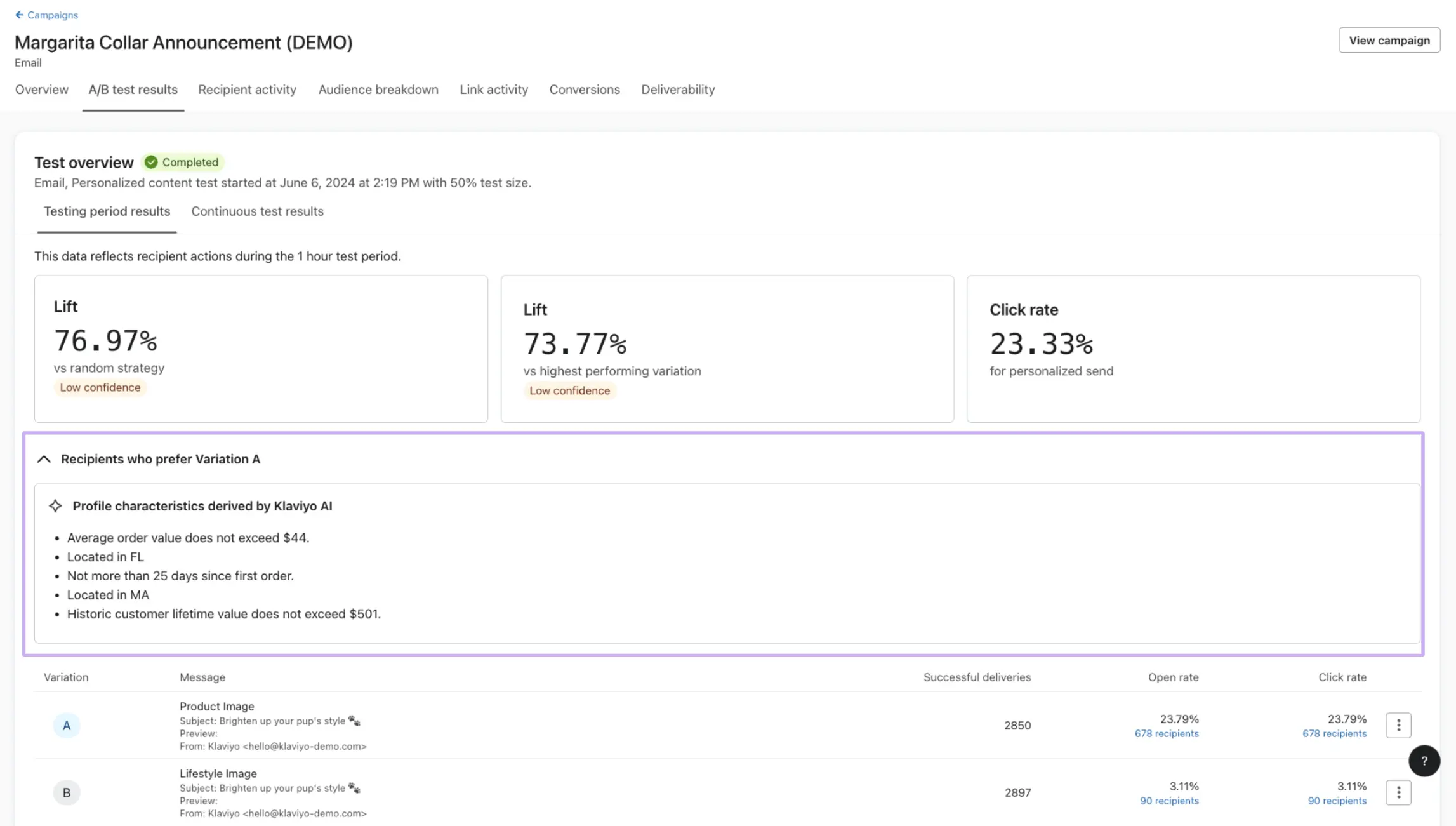
- Hyper-Personalized Email Journeys: Beyond the first name, AI can generate entire email sequences that adapt based on opens, clicks, and engagement. Abandoned cart? Here’s a note focusing on the specific item left behind, maybe with a user-generated review snippet. It feels bespoke.
- Segmented Blog Content & Ad Copy: A single article framework on “Financial Planning Tips” can be adapted into versions for recent graduates, young families, and pre-retirees—each with relevant examples, terminology, and calls-to-action. Same core value, radically different feel.
And the impact? It’s tangible. Personalized experiences drive conversion. They boost engagement. They build loyalty because customers feel seen. You’re not just broadcasting; you’re conversing.
The Human-in-the-Loop: Non-Negotiable for Quality
Now, a crucial caveat. Leveraging AI-generated content effectively requires a “human-in-the-loop” model. The AI is the brilliant, fast drafter. The human is the strategic editor, the brand guardian, the emotional quality checker.
Your role shifts from creator to curator and conductor. You establish the guardrails: the brand voice guide, the ethical boundaries, the strategic goals. You train the AI on what “good” looks like for your audience. Then, you review, tweak, and approve. You add that spark of genuine insight or humor that might still elude the machine. This collaboration is where the magic—and the scalability—truly happens.
Avoiding the Pitfalls: Strategy Over Speed
Sure, there are risks. The biggest is treating AI as a set-and-forget content firehose. That leads to generic, repetitive, or even brand-damaging output. The key is intentional strategy.
| Pitfall | The Smart Mitigation |
| Loss of Brand Voice | Invest time in creating a detailed, example-rich style guide for AI training. Continuously audit output. |
| Data Privacy Concerns | Be transparent. Use aggregated, anonymized data for training models, and always comply with regulations like GDPR. |
| Over-Personalization (The “Creepy” Factor) | Focus on value-added personalization. It should feel helpful, not invasive. Test messaging with real users. |
| Content Uniformity | Use AI for variation and ideation. Inject human stories, interviews, and unique perspectives the AI can’t replicate. |
In fact, the goal isn’t to hide the fact that technology is involved. It’s to use that technology so well that the content feels more human, more attentive, not less.
The Future is Adaptive, Not Just Automated
Looking ahead, this is moving beyond static personalization. We’re heading toward adaptive content experiences. AI systems will not only generate personalized content but will learn in real-time from micro-interactions to optimize it further. That headline that didn’t resonate? The AI tweaks it for the next similar user. That analogy that boosted time-on-page? It gets prioritized.
The content itself becomes a living, learning entity focused on delivering value. It’s a powerful thought.
Ultimately, leveraging AI for personalization is about scaling empathy. It’s using computational power to understand and act on the simple truth that every customer’s journey, their needs, and their motivations are subtly unique. The brands that master this blend of machine efficiency and human insight won’t just win clicks—they’ll build real, resonant relationships in a digital landscape that often feels impersonal. And that, you know, is the whole point.